







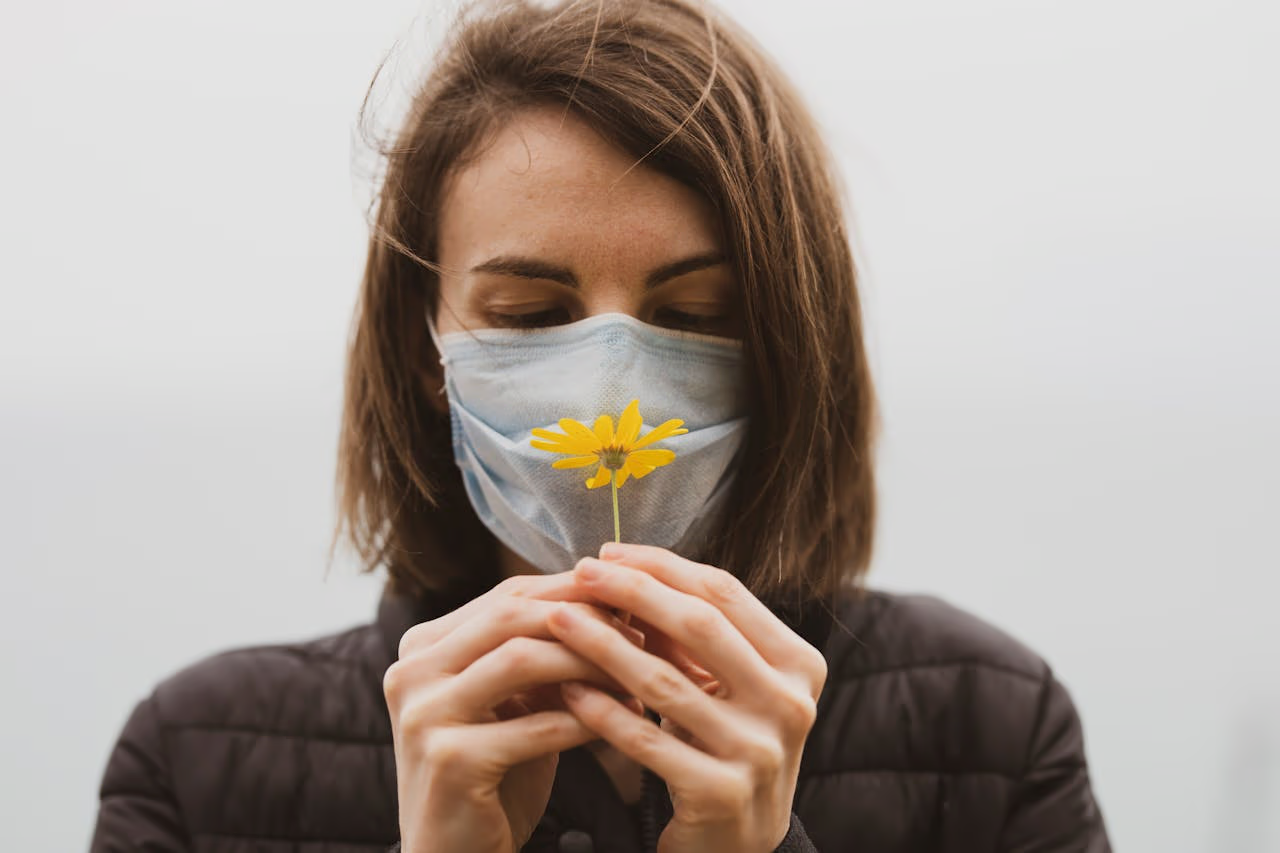

If you are one of the many millions of people in the UK who dread the arrival of spring due to hay fever, the good news is that a few practical changes at home and in your daily routine can make a real difference. Owena Cleary, Director of CPR First Aid Training, has set out guidance on what to watch for, when to stay indoors, and how to stop pollen from affecting your life.
What are the most common hay fever symptoms?
From itchy, watering eyes and a runny nose, to relentless sneezing, sore throats and headaches, seasonal allergies can really affect your quality of life. The body’s immune system overreacts to an otherwise harmless substance, in this case pollen, and releases histamine, which causes swelling in the nose and eyes in an attempt to stop the allergen from entering the body. Hay fever feels like an all-encompassing problem because it can depend on the types of pollen you are allergic to, the time of year, the time of day, weather conditions, and your environment.
What are the worst hours of the day for pollen, and where should you avoid?
Hay fever is often worse during the early evening. Pollen levels build all day and tend to peak as the air cools in the early evening, which means parks, playing fields, and stretches of open grass should be avoided. If you can shift any outdoor exercise to the middle of the day when counts tend to dip, you should notice some relief.
Early mornings are not the best time either, so avoid opening your windows until the pollen count goes down. A stretch of warm, still mornings followed by a breezy afternoon can send clouds of pollen across parks and gardens. Rain also plays a big part, because dry spells let far more pollen build up in the atmosphere and drift across entire neighbourhoods. Windy days are particularly miserable for allergy sufferers, because the breeze carries pollen further and keeps it suspended for far longer than most people expect.
Which plants should you remove from your home and garden?
Birch, oak, and ash trees produce large quantities of pollen each spring. Ryegrass and timothy grass are also a problem for any homeowner who suffers from hay fever.
Freshly cut flowers and dried arrangements should be kept out of bedrooms during peak months. Lavender, geraniums, and roses are recommended as lower-pollen garden alternatives because they rely on insects for pollination, not the wind.
How often do you really need to wash everything?
Pollen will stay on your hair and clothing until it is washed. Washing your hair every evening during peak weeks is, for many sufferers, one of the most useful habits to adopt. Clothes that were worn outside should go straight into the machine. Bedding should be stripped at least once a week and washed hot. Avoid drying anything on a washing line when the count is high, because the fabric will collect more pollen.
Most people forget about the pollen that can accumulate on and in their car. A regular wipe of the inside, paired with a decent car pollen filter, can make a commute far more bearable.
What treatments actually work?
Antihistamines work for many people with hay fever. These tablets block histamine, the chemical responsible for symptoms like sneezing and itching, and work best when taken before you are exposed to pollen. If your main symptom is a perpetually blocked nose, a steroid nasal spray is worth adding. Eye drops can help reduce redness and burning. What seems to be most helpful is picking a combination of two or three products that cover the different stages of your body’s response rather than expecting one tablet to do it all.
Do any natural remedies actually help?
Steam inhalation is one of the oldest home remedies and may provide short-term relief from congestion, although it does not treat the underlying allergy. Get a bowl of hot water, place a towel over your head, and take a few minutes to do steady breathing. This will help your nasal passages open up naturally. Saline rinses work in a similar way; they help flush pollen from the nose and thin out mucus.
With simple changes at home and in your daily routine, those with hay fever can reduce their symptoms and enjoy spring more comfortably.
Help keep news FREE for our readers
Supporting your local community newspaper/online news outlet is crucial now more than ever. If you believe in independent journalism, then consider making a valuable contribution by making a one-time or monthly donation. We operate in rural areas where providing unbiased news can be challenging. Read More About Supporting The South Wales Chronicle