






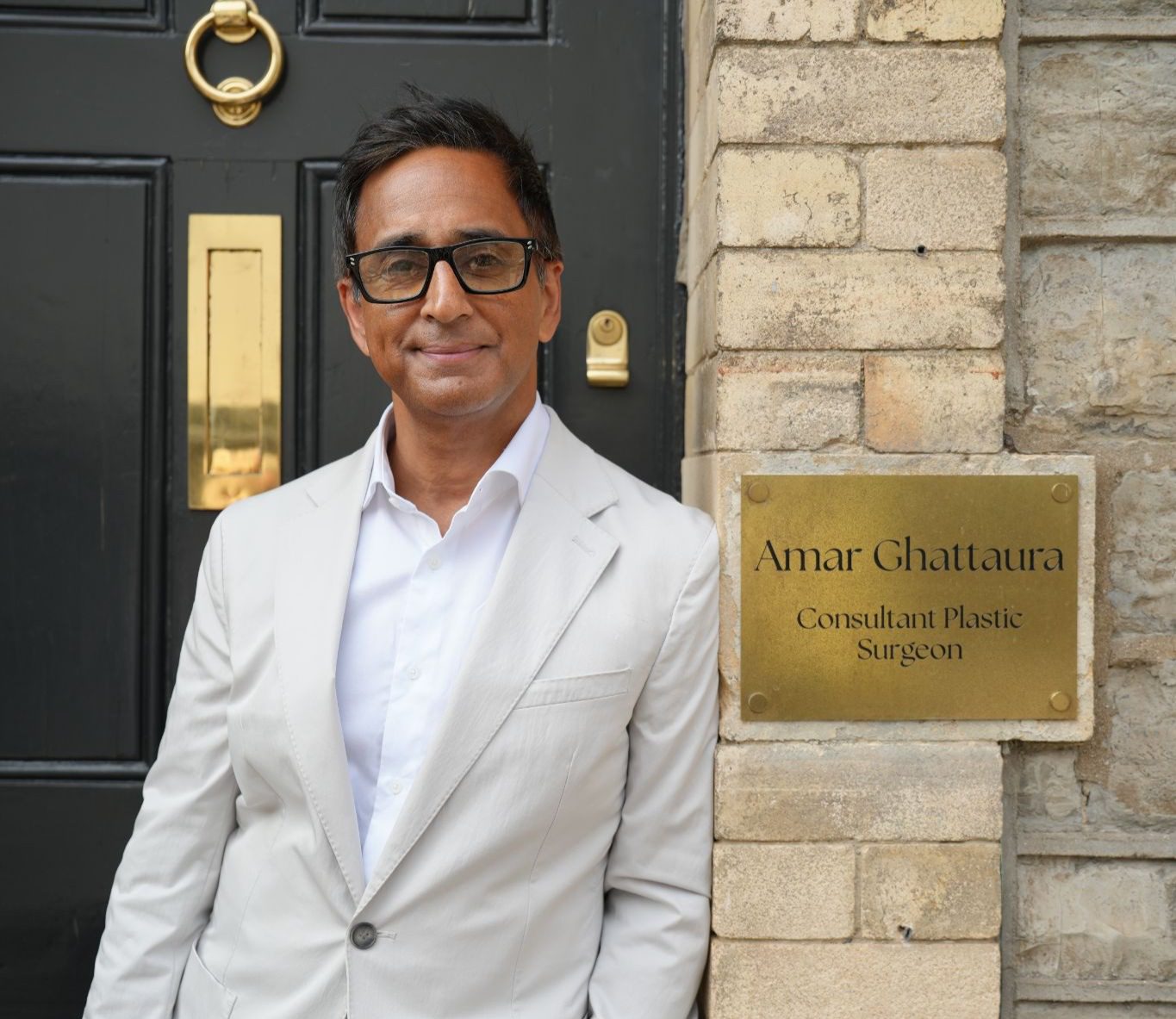

Mr Amar Ghattaura, one of Wales’ leading surgery consultants and aesthetics practitioners has warned of a widening regulatory gap, which could put many people at risk when it comes to their ‘tweakments’.
Wales is now officially the least regulated part of the UK for cosmetic injectables. England’s licensing scheme for non-surgical cosmetic procedures came into force in July 2026, introducing a tiered system that restricts higher-risk treatments to regulated healthcare professionals working in approved premises. Scotland is progressing its own legislation through the Scottish Parliament, but there is no such legislation as such on the horizon in Wales.
The UK non-surgical aesthetics sector has expanded rapidly over the past decade, predominantly driven by competitive prices and social media influence. Botulinum toxin (commonly referred to as Botox) is a prescription-only medicine, while Dermal fillers are regulated as medical devices rather than medicines. With both of these not currently regulated the same way as England, there is no legal requirement for the person injecting either of these to hold any medical qualification whatsoever.
Wales does have the Public Health (Wales) Act 2017, which covers acupuncture, body piercing, electrolysis and tattooing, but injectables are not on that list.
Mr Amar, who owns two aesthetics clinics – one in Penarth, Cardiff and one in Swansea – with more than 20 years experience, has seen how demand for such treatments have increased over the years. “There’s been a real spike in demand for these kinds of treatments, but not everyone does their research, and those could have damaging consequences. At our clinic, I have a team of trained, qualified nurse practitioners who treat all patients with the utmost care.”
Botched procedures can have damaging implications if not conducted properly. A side effect includes vascular occlusion, where filler blocks a blood vessel, and it is a time-critical complication that can lead to tissue death or, if it affects the retinal artery, permanent blindness. It is manageable when the injector recognises it early and has hyaluronidase, a dissolving agent, immediately to hand. This can be problematic if the blockage isn’t manageable by someone who has had the correct medical training.
To help patients understand what to look out for and research before paying for Botox or Dermal fillers, Mr Amar outlines important questions to research and ask before committing to any treatment.
“In the absence of regulatory standards, patients in Wales are effectively acting as their own regulator, so my advice would be to treat the consultation as an interview. When meeting with an injector, you should consider the following questions;
- Are you a regulated healthcare professional, and what is your registration number? Doctors, dentists, nurses and pharmacists appear on public registers held by the GMC, GDC, NMC and GPhC. Anyone can be asked for their number, and every register can be searched free of charge.
- Who is prescribing the product, and have they assessed me in person? Remote sign-off by a prescriber who has never seen the patient is a warning sign about the whole operation, and should be avoided.
- Exactly what are you injecting, and can I see the box? Ask for the brand name, and ask to see the packaging and batch number. Licensed products in the UK are clearly branded and traceable. Unbranded, unlabelled or grey-market imports are neither, and if a complication follows there is no way to establish what’s been injected.
- What is your plan in an emergency? The answer should be specific: a named person, hyaluronidase available on site for filler treatments, and a written pathway for emergency referral.
- Where will the treatment take place, and what insurance do you hold? Treatment belongs in clean, dedicated clinical premises, not a living room, a hotel suite or a pop-up at a party. Ask to see a current medical indemnity certificate that covers the specific procedure being offered.
None of these questions are rude, so don’t be worried. A good practitioner will be pleased you asked, because it is the same information we would want if it were our own face. Really, people living in Wales should not have to be their own risk assessor, but until the law changes, asking practitioners these kinds of questions can ensure that the best protection is available.”
Help keep news FREE for our readers
Supporting your local community newspaper/online news outlet is crucial now more than ever. If you believe in independent journalism, then consider making a valuable contribution by making a one-time or monthly donation. We operate in rural areas where providing unbiased news can be challenging. Read More About Supporting The South Wales Chronicle