






Sir,
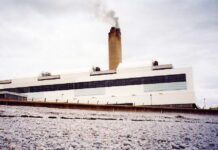
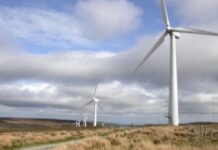
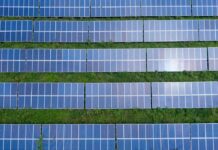
At 11.35am on a sunny, windy day (21 November), we are receiving 17% and 6% respectivelof our electricity from wind and solar sources. Another 6% comes from our greatest single polluter, Drax biomass. 9% is nuclear-sourced and almost half, 49% of our power comes from gas. Edward Miliband’s strategic dream to get rid of gas by 2030 and replace it with intermittent renewables is totally impossible. And why do we need ultra-expensive and untried carbon capture schemes, when coal has gone, gas is (supposedly) being phased out and Drax will hopefully stop producing in the absence of massive subsidies? We can never rely upon wind and solar intermittent supplies, even with giant storage battery ‘farms’, as batteries have a rather limited life before recharging. After a few days reliant upon thousands of batteries to power Britain, would have national black-outs. Today 12% of our energy is being brought (and expensively bought) via undersea interconnectors from France, the Netherlands, Belgium, Norway and Denmark. Sometimes we have to buy in up to 20% of our energy, but these imports will not be available in a severe Continental cold spell. Another new and urgent problem is that Germany suspects Russia of recently sabotaging two undersea telecommunication cables in the Baltic involving links with and between Sweden, Finland and Lithuania. German prosecutors are still investigating the 2022 explosion of Nord Stream gas pipelinesbetween Russia and Germany. With heightened international tension, our own interconnector cables cannot be regarded as being safe. There is none of the energy security promised by Miliband in an economy based upon intermittent energy and foreign energy imports.
Throughout my longish life, to be ‘green’ has meant to be inexperienced and unknowledgeable. Nothing has changed. It is time for politicians to look at saving Britain, rather than vainly and pathetically trying to save the planet, in the face of fast-growing Chinese, Russian, American and Indonesia emissions. Britain is responsible for 0.76% of global emissions, less that a hundredth and declining, to make it easier for politicians to understand. In 2019, with hardly any discussion, our innumerate MPs passed our legally-binding net zero target, based upon its Climate Change Committee’s guess (sorry, its ‘estimate’), that it would cost £1 trillion. The Treasury then examined the financial costs in 2021 and understandably gave up, claiming that there were far too many variables and unknowables. Today, figures from the Climate Change Commission, via the Office of Budget Responsibility tell us that net zero can be achieved for a derisory £321 billion by 2050, made up of £1.4 trillion costs (where is that coming from?) and £1.1 trillion ‘savings’. There has been no independent and realistic cost-benefit analysis of achieving the impossible net zero policy, and it seems that no politician wonders – or cares – why. In 2022 Gary Smith, GMB General Secretary, stated: ‘Achieving net zero will on average cost more than £50,000 for every family in the UK or more than £32 each week every week for the next 30 years. These costs are way beyond the means of families on average incomes or below. Tax cuts for all workers except the higher paid and benefit increases are needed to offset carbon taxes and charges and carbon replacement technology costs.’
In 2022 McKinsey consultants analysed the cost of global net-zero transition by 2050 to be about £217 trillion in cumulative spending, just on physical assets. Approximately £7.3 trillion per year would be needed between 2021 and 2050. These figures do not seem to account for the costs of disposal, transport and replacement of nearly every existing wind turbine, and some new ones, at the end of their lives. Do we honestly think that the greatest emitters will come even close to net zero? Ever? If Britain ceased to exist, it would make zero difference to global climate, but its vainglorious leaders wish to demonstrate that we can lead the world in something – placing the world in front of their impoverished country to no effect except wrecking it financially. This is a tiny under-resourced nation, with a population density in Europe only less than that of Malta, and a fast-growing National Debt of over £2 trillion that can never be reduced. There is no political vanity to be gained from those facts, indeed it should be replaced by a desire to improve Britain’s dire and declining socio-economic status.
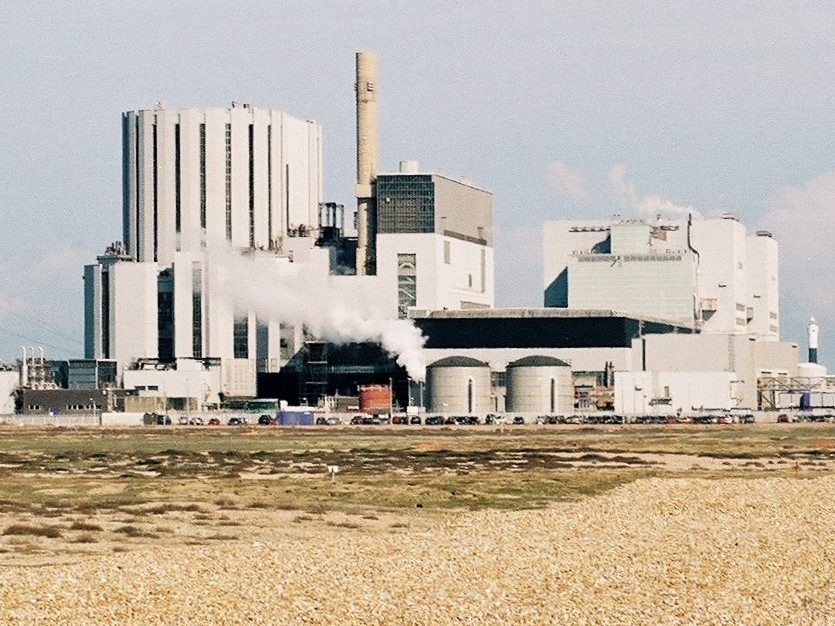
PS Having worked upon the construction of Dungeness B Nuclear Power Station, I remember Walter Marshall the former head of the CEGB, being asked by some Parliamentary committee why a nuclear power station construction (-it may have been Dungeness-) ran substantially over time and budget. He replied that if the government had known the true costs and timescale, it would never have been built. It seems that the Government is now taking lessons from Lord Marshall…
Terry Breverton,
Help keep news FREE for our readers
Supporting your local community newspaper/online news outlet is crucial now more than ever. If you believe in independent journalism, then consider making a valuable contribution by making a one-time or monthly donation. We operate in rural areas where providing unbiased news can be challenging. Read More About Supporting The South Wales Chronicle