








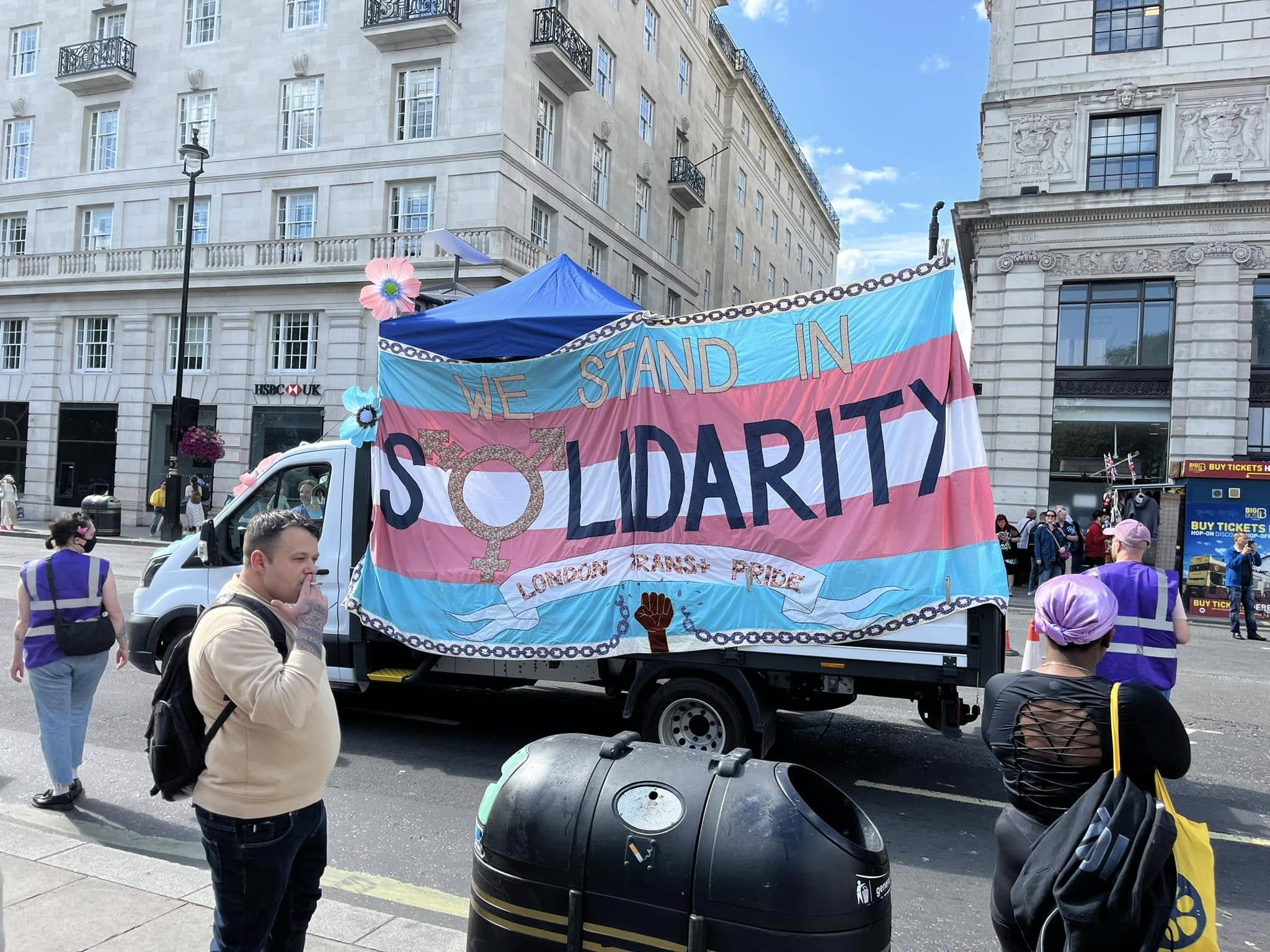

The leader of the Wales Green Party has suggested the pause in scheduled treatments for trans patients sets a “dangerous precedent”.
Caerdydd Penarth MS, Anthony Slaughter, raised the issue in a short debate on Wednesday September 23, adding: “This is not an ideological debate; everyone in Wales is entitled to NHS healthcare.”
Noting that gender-affirming surgery has been available on the NHS since the 1960s, Mr Slaughter said: “This is not experimental treatment and this should not be considered a controversial area of medicine.
“It is a well-established and highly studied area of medicine that the NHS has a legal and statutory duty to provide.”
He pressed the Welsh Government to share what powers they have to intervene in the decision and called on them to apologise to the trans community for the “clear failure of communication that has left them in this unbearable limbo.”
“Harmless banter”
Plaid Cymru MS Sarah Rees echoed the Green party leader’s comments, calling on “every decent human being to stand with the trans community.”
She questioned the health minister on whether the evidence gathered by the NHS Wales Joint Commissioning Committee (NWJCC) warranted the pause in treatments.
Adding: “The parameters of the assessment were to ensure that no clinical harm came to patients, yet patients subjected to this review have already faced what the NWJCC have accepted is a significant level of psychiatric harm.”
Ms Rees noted that the NWJCC have confirmed the pause will remain in place until the “necessary clinical assurances have been received”.
The Pen-y-Bont Bro Morgannwg MS said: “When you hear someone question a person’s identity, call it out. This isn’t harmless banter. It results in people surviving instead of thriving.
“Minority groups are not a political tool. Trans lives matter and trans healthcare is a human right.”
“Nothing unacceptable”
Casnewydd Islwyn’s Natasha Asghar took a different stance on the debate suggesting that there is “nothing unacceptable” about the pause in treatments “while serious concerns are investigated.”
The Conservative MS continued: “Clearly, the NHS believes there is a case to answer for here over the abnormally high rates of people being referred for irreversible gender surgeries, hence why this action was taken.
“Patient safety and well-being should always be the No. 1 priority, and pausing treatment in light of this review is absolutely the right thing to do.”
She told members that the Welsh Gender Service refers patients for surgery at rates that are “three to four times higher” than in clinics in England.
Ms Asghar called on the health minister to share how he can guarantee that the investigation will be “genuinely independent” and will “put patient welfare before gender identity”.
“Follow the science”
Accepting that the pause is likely to cause distress Reform’s Cristiana Emsley emphasised that patients should be supported but insisted that the pause was not “unacceptable”
The Fflint Wrecsam MS told members what would be “unacceptable” would be to continue “irreversible referrals when serious concerns exist”.
She said: “As lawmakers, our duty is therefore not to pressure clinicians towards a preferred conclusion, it is to safeguard their clinical independence, to follow the science and the evidence, wherever they lead.
“Distress demands compassion and support, but compassion cannot lower the evidential threshold for irreversible treatment. Medicine demands evidence. Patient safety demands both.”
“Committed”
Health minister, Mabon ap Gwynfor, acknowledged the “pain and distress” many have felt since the decision was announced, adding: “For many, this was seen as another decision in a long series of decisions to strip trans people of their rights, eroding their very identity, and I understand these concerns and fears.”
He continued: “Let me emphasise that this was a clinical decision, made on the basis of clinical evidence without political intervention.
“Let me also be clear that we—that I—stand with the trans community.”
The health minister told members that the decision to pause treatments was made through “established clinical governance processes” and the JCC have committed to an “urgent clinical review of those individuals on the waiting list for gender-affirming surgery.”
He stressed that Welsh ministers don’t have a role in the clinical governance and escalation processes within the JCC.
However, Mr ap Gwynfor shared that he has met with the JCC and “been clear” that the clinical review must be swift to “minimise the disruption and distress”.
Concluding, the health minister shared his commitment to ensuring that “public bodies provide the highest level of service to everyone who relies on them” and said he had asked the chief medical officer to conduct a “reflexive exercise” of the processes associated with this decision.
He said: “This will consider methods of communication with patients and others, the timing of that communication and the supporting processes, including the voice of the trans community.
“The voices of the trans community will be central to this review. Listening and learning are essential.”
Help keep news FREE for our readers
Supporting your local community newspaper/online news outlet is crucial now more than ever. If you believe in independent journalism, then consider making a valuable contribution by making a one-time or monthly donation. We operate in rural areas where providing unbiased news can be challenging. Read More About Supporting The South Wales Chronicle