







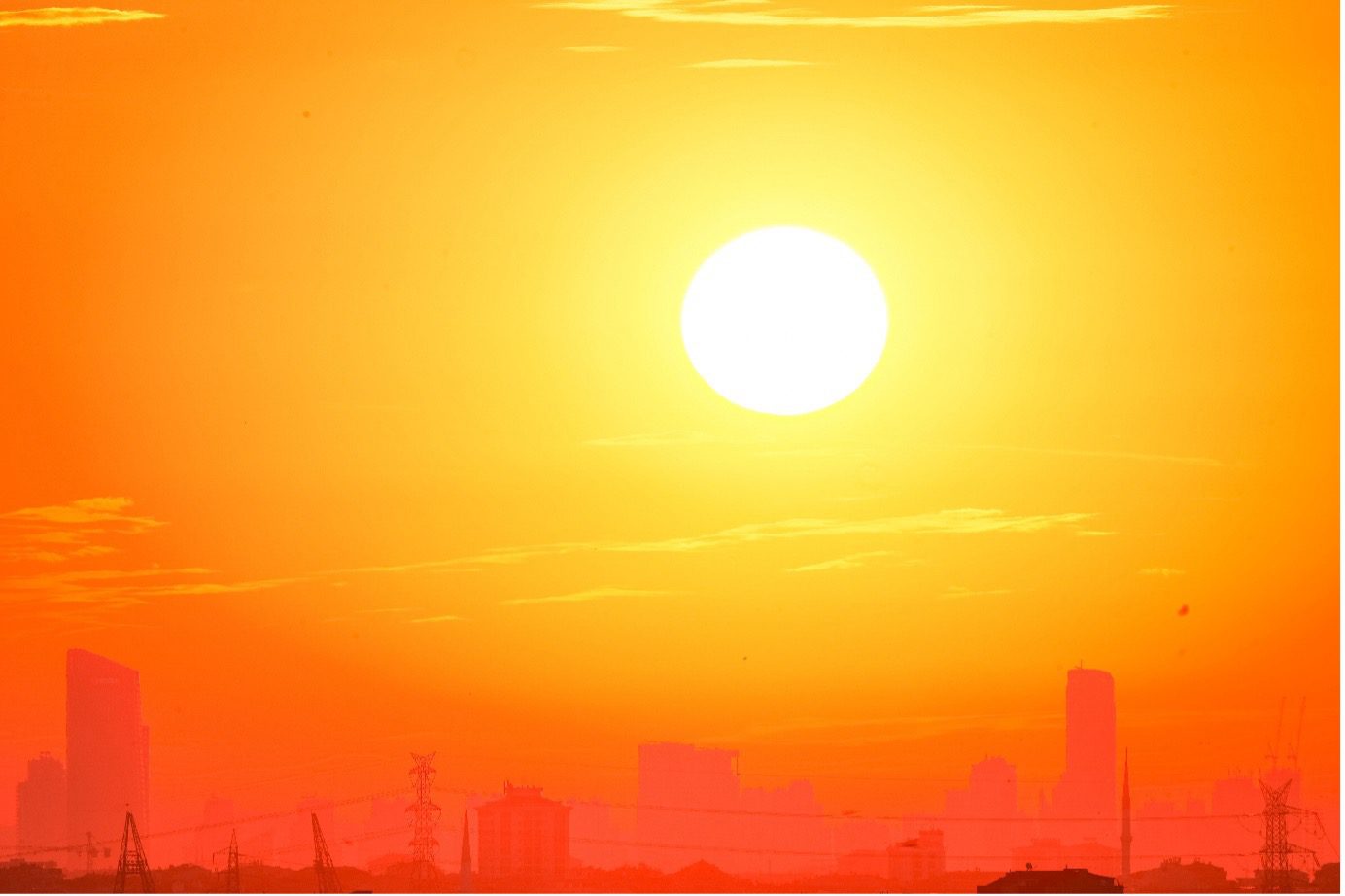

It has been a week of weather extremes across the UK — and South Wales is right at the heart of it. A combination of record-threatening heat, dangerously high humidity and dramatic overnight thunderstorms has put much of the country on alert, with the Met Office issuing some of its most serious warnings in years.
Here is everything residents across Swansea, Cardiff, Newport, Caerphilly and the wider region need to know.
The Red Warning Explained
The Met Office has issued a Red Extreme Heat warning — the highest alert level it can issue, reserved for situations carrying a genuine risk to life. The warning covers a broad swathe of England and Wales, stretching from London across to Swansea and Somerset up to Birmingham, and runs from 9am on Wednesday 24 June to 9pm on Thursday 25 June.
Temperatures across South Wales are expected to peak at between 37°C and 40°C during that window. For context, the current UK record for June stands at 35.6°C — set in Southampton in 1976 — and forecasters are now saying it is likely to be broken by several degrees this week.
What separates this event from previous heatwaves, including the record-breaking spell of July 2022, is the humidity. Dew points are forecast to reach around 22°C in places — significantly higher than during the 2022 event — making the air feel far more oppressive and severely limiting the body’s ability to cool itself through sweating. Widespread Tropical Nights, where temperatures stay above 20°C through the night, are also forecast, meaning there will be little overnight respite for those without air conditioning.
The Overnight Storm That Hit London
Before the peak heat has even arrived, the weather has already been making headlines. In the early hours of Tuesday morning, a violent and largely unexpected thunderstorm swept across London, generating thousands of lightning strikes and leaving a trail of flooding and disruption in its wake.
London Fire Brigade received around 400 calls overnight, attending at least two house fires believed to have been started by lightning strikes, as well as numerous flooding incidents across the capital. Flash floods hit areas including Uxbridge and Raynes Park, and Heathrow Airport saw Elizabeth line services suspended between Terminals 2 & 3 and Terminal 4 after flooding at the arrivals level caused chaos for early morning travellers.
Residents across the capital woke to scenes many described as unlike anything they had experienced before, with videos of the lightning rapidly spreading across social media. Full coverage of the London storm and its aftermath can be found at North West Evening News.
The storm was a direct consequence of cooler, unstable air pushing into an atmosphere supercharged with heat and humidity — a pattern that forecasters had flagged as a possibility. Similar conditions could develop in Wales as the week progresses and the heat begins to break down.
Public Health Advice for South Wales Residents
Public health authorities are urging residents across the region to take the warnings seriously. This is not a standard hot spell — the combination of extreme heat and high humidity means that health risks extend well beyond those traditionally considered vulnerable, including the elderly, young children and people with underlying conditions. The Met Office has explicitly warned that population-wide adverse effects are likely.
Key advice includes staying out of the sun during the hottest part of the day — broadly 11am to 3pm — keeping homes cool by closing windows and curtains during the day and opening them only if the outside temperature drops at night, and drinking water steadily and regularly. Alcohol should be reduced or avoided as it accelerates dehydration.
Residents should familiarise themselves with the signs of heat exhaustion: heavy sweating, dizziness, nausea, a rapid pulse and cool, clammy skin. If this progresses to hot, dry skin, confusion or loss of consciousness, that is heatstroke — call 999 immediately. Check on elderly neighbours and anyone living alone.
Travel Disruption Expected
Rail operators across Wales and the wider network have already indicated that speed restrictions will be in place on a number of lines due to the risk of heat-related track damage. Journey times are likely to be extended and some services may be cancelled at short notice. Anyone who does need to travel is advised to do so outside of peak heat hours, carry water and check before setting out.
When Will it Ease?
High pressure is expected to shift eastward from Friday, which should begin to bring some relief to Wales — though temperatures across the southeast of England are likely to remain elevated for longer. A more unsettled pattern, potentially including further thundery activity, is forecast to develop through the weekend and into next week as the heat breaks down.
Help keep news FREE for our readers
Supporting your local community newspaper/online news outlet is crucial now more than ever. If you believe in independent journalism, then consider making a valuable contribution by making a one-time or monthly donation. We operate in rural areas where providing unbiased news can be challenging. Read More About Supporting The South Wales Chronicle