







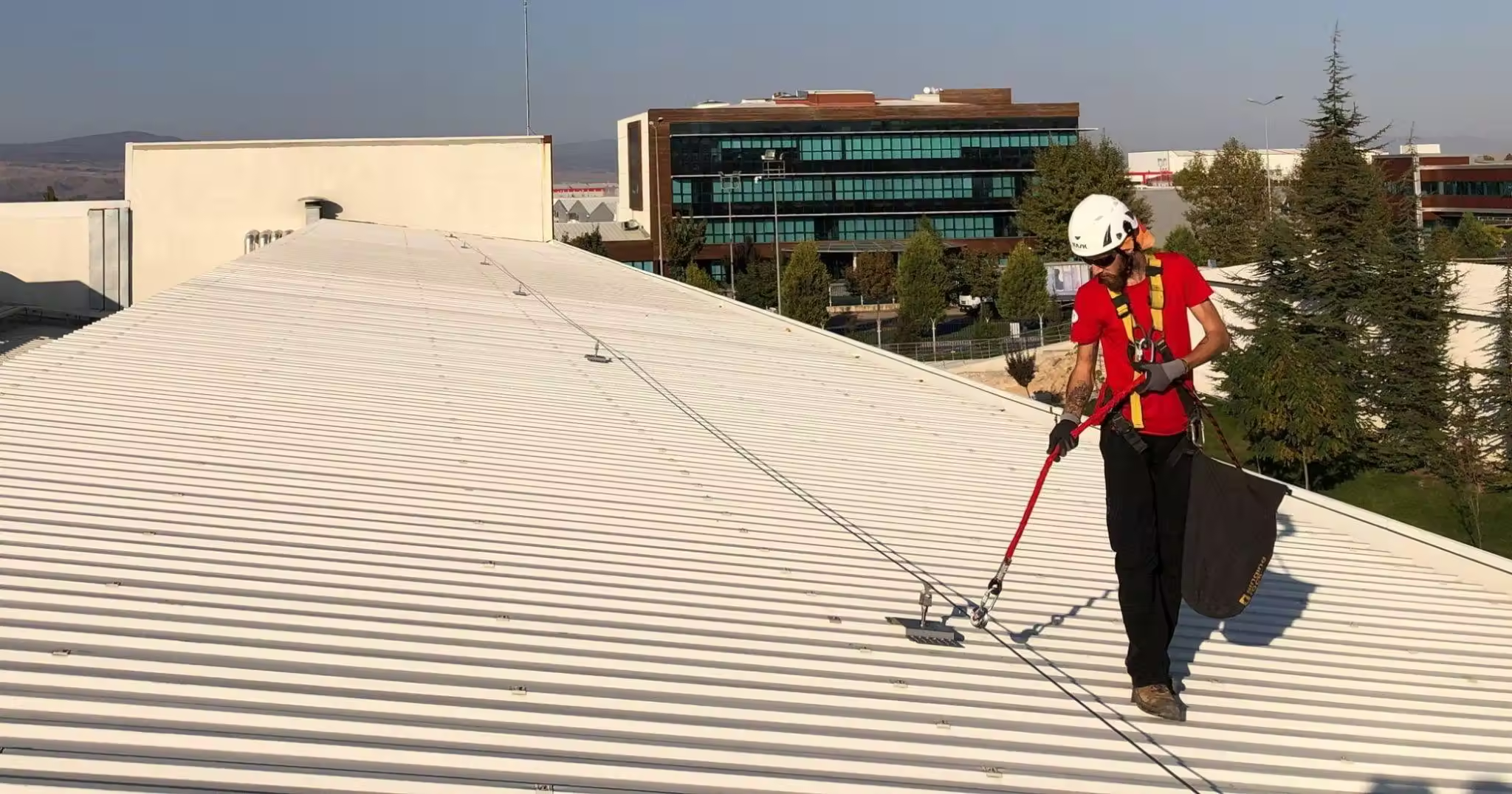

Working at height requires strong planning, reliable safety tools, and a clear understanding of the equipment used. Modern workplaces across construction, maintenance, industrial plants, and large facilities depend heavily on lifeline systems to keep workers secure while they move, climb, or perform tasks in elevated areas.
These systems help create a controlled safety structure that reduces risks and supports smoother work execution. With the growth of advanced safety solutions, many organizations now rely on trusted equipment to maintain safer job sites.
Lifeline systems are mainly divided into two categories: vertical lifeline setups and horizontal lifeline setups. Each has its own role based on the movement pattern and height requirements of the worker.
Understanding Vertical Lifeline Systems
Vertical systems are used when workers need to move up or down a structure, such as a ladder, tower, silo, or fixed climbing surface. These systems provide a guided connection point that keeps the worker attached at all times during upward or downward movement. Many industries prefer solutions like Vertical Lifeline Systems, which you can explore.
These systems generally use cables or rails that act as the main safety path. The user connects to them with a trolley, glider, yada slider device that travels smoothly along the line. This makes climbing comfortable and helps maintain constant fall protection.
Vertical systems are very helpful in places where workers climb frequently or where the height is significant. They provide flexibility, dependable support, and a sense of security that helps workers stay focused on their tasks.
How Horizontal Lifeline Systems Support Safe Movement
Horizontal systems are used when workers need to move sideways across a surface, walkway, rooftop, or long industrial platform. These system keep the worker connected while allowing side-to-side motion without restricting movement. You can learn more about these options through Horizontal lifeline systems.
Horizontal systems use a tensioned cable or rail where the user connects with a lanyard or mobile anchor point. The system absorbs forces smoothly in case of a fall while supporting free and balanced horizontal travel. This makes it ideal for roofing work, maintenance on long structures, energy sector facilities, and large industrial sites.
Workers appreciate these systems because they feel natural to use and do not interrupt the flow of movement.
Why Lifeline Systems Are Important for Modern Workplaces
Work at height is part of many industries, and lifeline systems help bring consistency and peace of mind. They also help organizations meet safety standards and keep workers confident during physically demanding tasks. Both vertical and horizontal systems are made to handle heavy use, outdoor conditions, and varied environmental needs.
Well-designed lifeline solutions:
- Support safe mobility in high-risk areas
- Provide constant fall protection
- They are built to be reliable even during long-term use
- Help workers move freely with balance and confidence
- Reduce the need for complex manual safety measures
These systems are also easy to integrate into existing structures, making them a practical choice for older buildings as well as new projects.
Choosing the Right Safety Partner
When selecting height-safety equipment, many organizations prefer dependable solutions that meet global safety standards. Companies often look for equipment that is easy to install, durable, and tested thoroughly. A trusted source like XTR Safety offers a wide range of systems and can be explored.
They provide well-structured solutions designed to support different industries and working conditions. This helps organizations choose products that match their site requirements while maintaining excellent safety levels.
Conclusion
Vertical and horizontal lifeline systems play a major role in maintaining secure work environments at height. Vertical systems help workers climb safely, while horizontal systems support movement across long surfaces. Both are essential for modern workplaces where safety, comfort, and flexibility are top priorities. With the right equipment and a trusted safety partner, organizations can ensure that workers perform their duties confidently and efficiently, no matter how challenging the height conditions may be.
Help keep news FREE for our readers
Supporting your local community newspaper/online news outlet is crucial now more than ever. If you believe in independent journalism, then consider making a valuable contribution by making a one-time or monthly donation. We operate in rural areas where providing unbiased news can be challenging. Read More About Supporting The South Wales Chronicle