







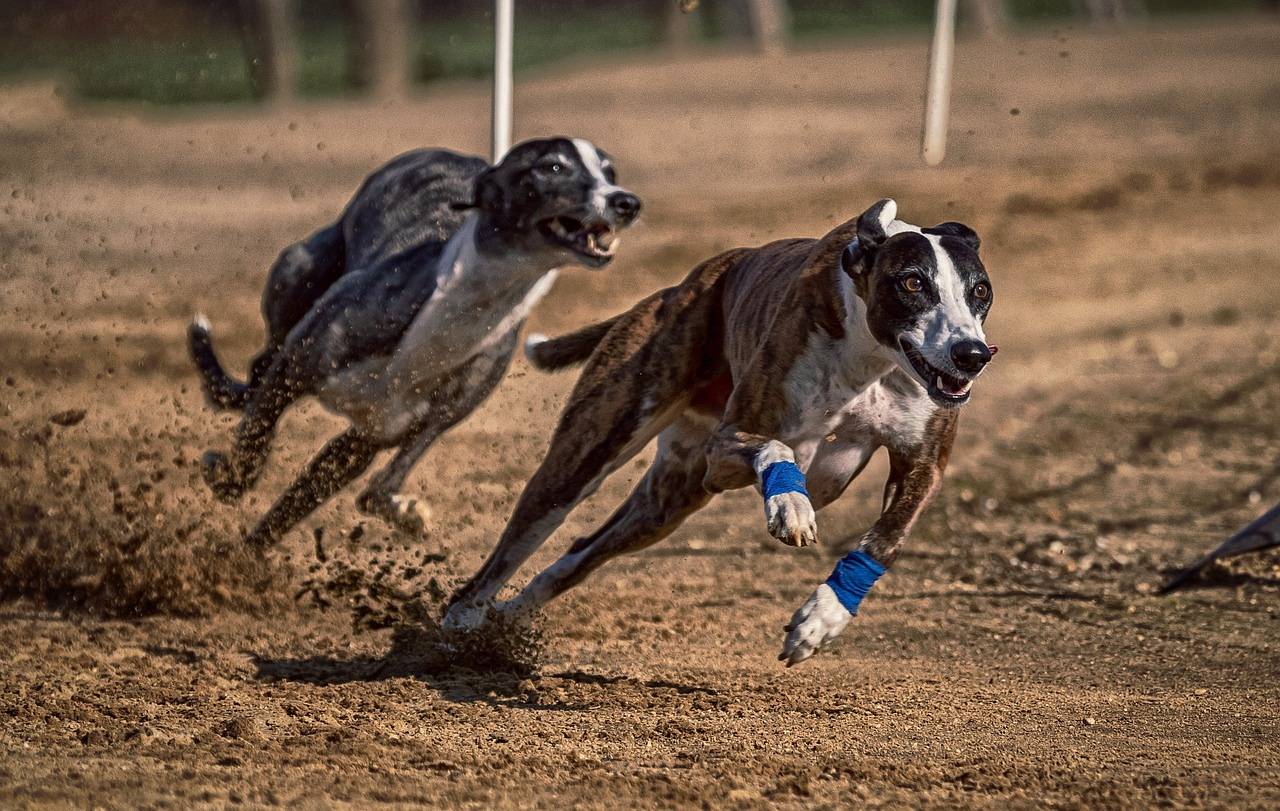

Bringing a retired greyhound into your home is a life-changing experience. These sleek, gentle dogs are known for their calm demeanour and affectionate nature, making them perfect companions. But like any significant transition, greyhound adoption comes with its own set of expectations and preparations.
Why Adopt a Greyhound?
Greyhounds retire from racing relatively young, usually around 2 to 5 years old. This leaves them with many years of love to give. They’re low-maintenance, quiet, and surprisingly laid-back for such athletic animals. Adopting one also gives a deserving dog a second chance at a happy life.
These dogs have often spent their lives in structured environments and may never have experienced life inside a house. However, with their eager-to-please personalities and affectionate nature, they tend to transition well into pet life with the right care and guidance.
Step 1: Choosing the Right Adoption Agency
Start by researching reputable greyhound adoption organizations. Look for groups that provide thorough background checks, support services, and transparency about the dog’s history. Many agencies will help match you with a greyhound whose temperament fits your lifestyle.
Ask if the dogs have been fostered in homes or are still in kennel environments—this can affect how much support they may need when adjusting to home life. Reputable agencies will be honest about any health issues or behavioural quirks.
Step 2: Home Preparation
Before bringing your new dog home, you’ll need a few essentials:
-
A soft, supportive bed.
-
Food and water bowls.
-
A secure garden or walking plan.
-
A martingale collar and leash.
-
Toys for mental stimulation.
-
Baby gates or barriers to help manage their initial movement.
Greyhounds are creatures of habit, so having a designated space for them helps ease the transition. Choose a quiet area of your home where they can observe the goings-on without being in the middle of everything.
Step 3: The First Meeting
Meeting your new greyhound is exciting but should be approached calmly. Let them sniff around and explore at their own pace. Use a calm, reassuring voice and avoid overwhelming them with too much attention or activity.
Some greyhounds may be shy or cautious at first, especially if they’ve only known kennel life. Give them time to bond at their own speed. Early bonding activities like hand-feeding, gentle brushing, and short walks can build trust.
Step 4: Adjusting to Home Life
Most greyhounds have never lived in a house, so everyday items like stairs, mirrors, and vacuum cleaners may be foreign to them. Introduce these slowly and gently. Set up a consistent routine for meals, walks, and bedtime. Within a few weeks, most greyhounds settle in beautifully.
You might notice some peculiar behaviours—like freezing on walks or being startled by ceiling fans or televisions. These are normal reactions. With patience, they’ll grow more comfortable. Consistency and calm reassurance are your best tools during this period.
Even though these dogs are known as sprinters, they require minimal exercise. A couple of short walks each day and a secure area to stretch their legs will usually suffice. They’re often perfectly content with a warm blanket and a comfy couch.
Step 5: Vet Visits and Health Care
Ensure your greyhound gets a full check-up shortly after adoption. Most agencies will have provided initial vaccinations and neutering, but follow-up care is essential. Greyhounds have unique health needs, including sensitive skin, low body fat, and a predisposition to dental issues.
Be aware of their vulnerability to extreme temperatures. Greyhounds often need a coat in cold weather and should not be exercised in high heat. Regular nail trims are also essential, as their nails grow quickly and can crack if not maintained.
Many adopters first encountered their dog on a track or through a greyhound bet. It’s not unusual to look up a dog’s past racing stats or to reflect on the excitement of having backed them in a race. While those betting days may be behind them, it can be a meaningful part of the bond to recognize their history—even if their best role now is curled up on your sofa.
Common Questions
-
Are greyhounds good with children? Yes, especially older kids who respect their space. Always supervise interactions with younger children.
-
Can they live in small homes? Absolutely. They’re often called “45mph couch potatoes” because they love lounging around.
-
Do they need a lot of exercise? No, two short walks a day are typically enough.
-
Can they be let off the lead? Only in securely fenced areas unless you’re confident they have reliable recall.
Final Thoughts
Adopting a greyhound is a journey filled with joy, discovery, and deep companionship. These dogs may have started their lives on the racetrack, possibly even tracked through a greyhound bet, but they thrive in loving homes where they can relax and just be dogs. With the right preparation and mindset, you’ll not only provide a forever home but also gain a loyal, affectionate friend for life.
Opening your door to a retired greyhound means more than giving them a second chance—it’s the beginning of a rewarding new chapter for both of you.
Help keep news FREE for our readers
Supporting your local community newspaper/online news outlet is crucial now more than ever. If you believe in independent journalism, then consider making a valuable contribution by making a one-time or monthly donation. We operate in rural areas where providing unbiased news can be challenging. Read More About Supporting The South Wales Chronicle