







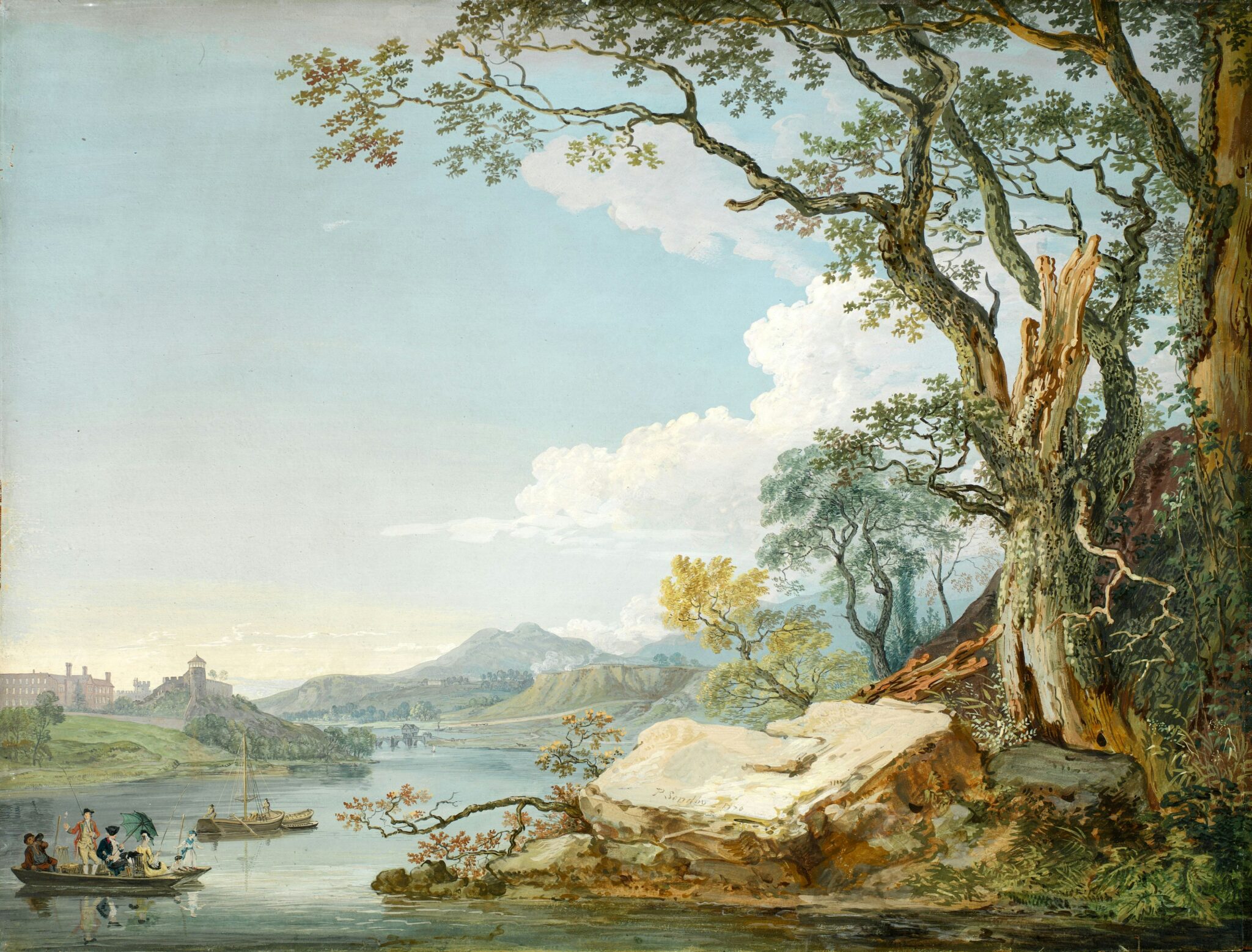

On the off chance that you’re new to the universe of oil painting, all the jargon terms and specific materials can appear to be very overpowering from the get-go. However, don’t get disheartened. With a bit of guidance, you’ll soon be comfortable working with this centuries-old medium.
Oil painting has some safety concerns since certain materials can be toxic or flammable. Thus it requires some precautions. However, if one takes proper steps, like working in a well-ventilated area and wearing protective gear, one can create beautiful artwork without any health risks.
As you familiarise yourself with oil paints, brushes, mediums, and canvases, remember that it’s a process – a process of experimentation and discovery. You won’t be able to create masterpieces right from day one – so just relax. Don’t put much pressure on yourself and focus on learning the unique qualities of oils and working on your own techniques.
To help get you started, here are five essential tips from experienced oil painting instructors:
1. Paint Safely
Set up a safe workspace before anything else. Oil paints contain pigments that can be hazardous if ingested or absorbed through the skin. Always wear protective gloves and clothing which are made just for painting. When you are working with loose pigments, a respirator mask is also recommended
It is very important to have good ventilation, as many painting mediums like turpentine emit toxic fumes. Consider starting with acrylics instead of oils if you can’t ensure proper ventilation. Another safety concern is rags and other materials which are soaked in solvents. Sometimes they can combust if not disposed of properly.
2. Know your materials – take your time
Gather a basic set of art supplies: an assortment of brushes (look for variety in shapes and hair types), a glass palette for mixing, canvas or other painting surfaces, gesso primer, turpentine or oil-based solvents, and a few tubes of paint to start. High-quality materials are an investment, so don’t go overboard at first.
When selecting brushes, get them in person so you can evaluate qualities like bristle texture. For paints, student-grade or less expensive options are perfect for practising and experimenting as a beginner. You’ll develop preferences for certain colours and brands as you go.
Pay attention to painting fundamentals like fat over lean (applying thicker paint over thin layers) to prevent cracking. And never put acrylics over oils.
3. Limit your palette
With so many lovely oil tones to choose from, purchasing each tint that grabs your attention is enticing. Nonetheless, restricting your range is an amazing method to begin with. Try just two complementary colours like cadmium orange and ultramarine blue.
Working with a limited palette forces you to focus on value (lights and darks) rather than getting sidetracked by intensity or hue. Once comfortable, you can start adding other colours one by one. Most hues can be mixed using just a few tubes of paint.
4. Try painting with a palette knife
For a unique exercise, create a painting using only a palette knife instead of brushes. This instantly removes the tendency to try rendering things precisely through drawing.
With a knife, you’ll concentrate more on the application of paint, shapes, textures, and how pushes and pulls of colour can define an image. Work on a surface around 9×13 inches or larger to encourage bold, expressive marks.
5. Paint the same subject again and again
It may seem tedious, but painting the same still life or subject repeatedly is incredibly valuable when you’re just starting oil painting. With the subject matter established, you can fully focus your efforts on paint handling, brushwork, values, edges, etc.
Rather than being sidetracked by constantly having to decide what to paint next, you can deeply explore an individual subject. Notice the unique qualities and gestures expressed through every brushstroke. Some artists use rags, and knives, or work wet-into-wet to create distinctive surface effects.
The way a painting is crafted can express just as much meaning and emotion as the subject itself. With practice and an open mind, you’ll soon develop your own expressive oil painting style.
FAQs
Q: What’s the distinction between acrylic paints and oil?
The distinction lies in the drying time- with oil paints drying a lot more slow than acrylics, sometimes taking weeks or months to fully dry. Oils likewise have a more extravagant, more rich consistency, compared with thicker, plastic-like acrylic paints.
Q: Is it okay to mix oils and acrylics?
No, it’s not recommended to directly mix oil and acrylic paints as they have different chemical textures. However, you can apply oils over dried acrylics if working in layers
Q: How are oil painting brushes cleaned?
Use an odourless brush cleaner or painter’s soap to thoroughly clean the bristles after each painting session. Don’t make the mistake of letting oil paints dry on your brushes.
Q: What surfaces can I paint on with oils?
Oils can be used on canvas, wood panels, or any surface that has been properly primed. Higher-quality surfaces will provide better results.
Q: what is the shelf life of oil paints?
Oil paints can last for decades if stored properly and kept in an airtight container. Older paints may require more medium to regain a workable consistency.
Conclusion
It might seem tough to start with oil painting, but don’t you worry. Take baby steps and start small – Use a small set of colours, and try different techniques like painting with a knife. And keep practising, there’s no substitute for it. Paint the same subject over and over again. This will help you learn a lot. You can choose a variety of paints from our online store at Artistmaterial. for your painting endeavours.
Patience is the key! So just remember to be patient. Stay safe and don’t take a step back when it comes to trying new techniques. Oil painting is very flexible, and with time and effort, you’ll create beautiful paintings that show off your skills and style. Enjoy the process and have fun!
Help keep news FREE for our readers
Supporting your local community newspaper/online news outlet is crucial now more than ever. If you believe in independent journalism, then consider making a valuable contribution by making a one-time or monthly donation. We operate in rural areas where providing unbiased news can be challenging. Read More About Supporting The South Wales Chronicle