







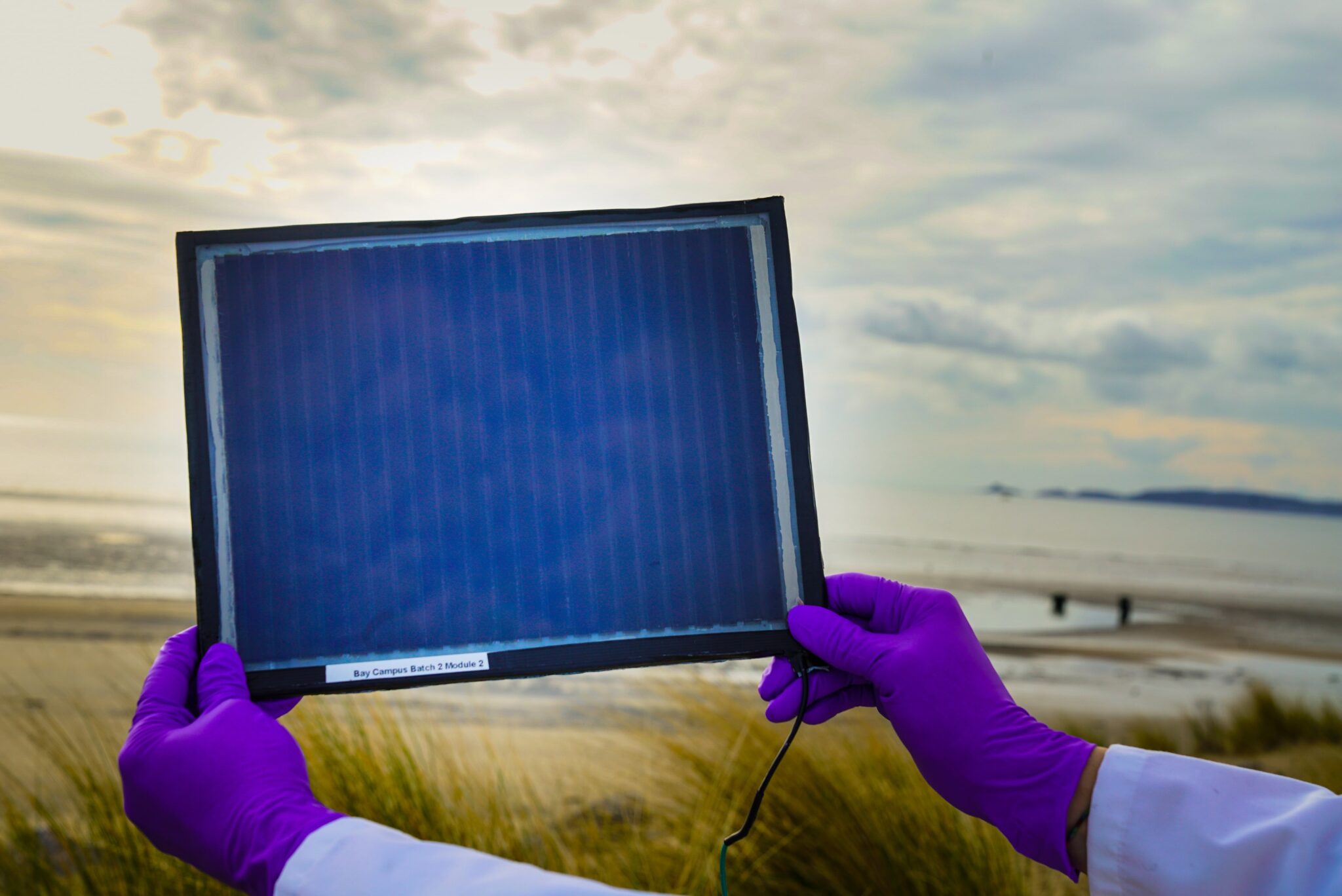


A new collaboration led by Swansea University is seeking to support countries in Africa, Asia and the Indo-Pacific to increase the scale of local production of sustainable solar photovoltaics (PV).
Building on the University’s SUNRISE network, the Transforming Energy Access (TEA) at SUNRISE project is a collaboration between universities and businesses across the UK, Africa, Asia, and the Indo-Pacific.
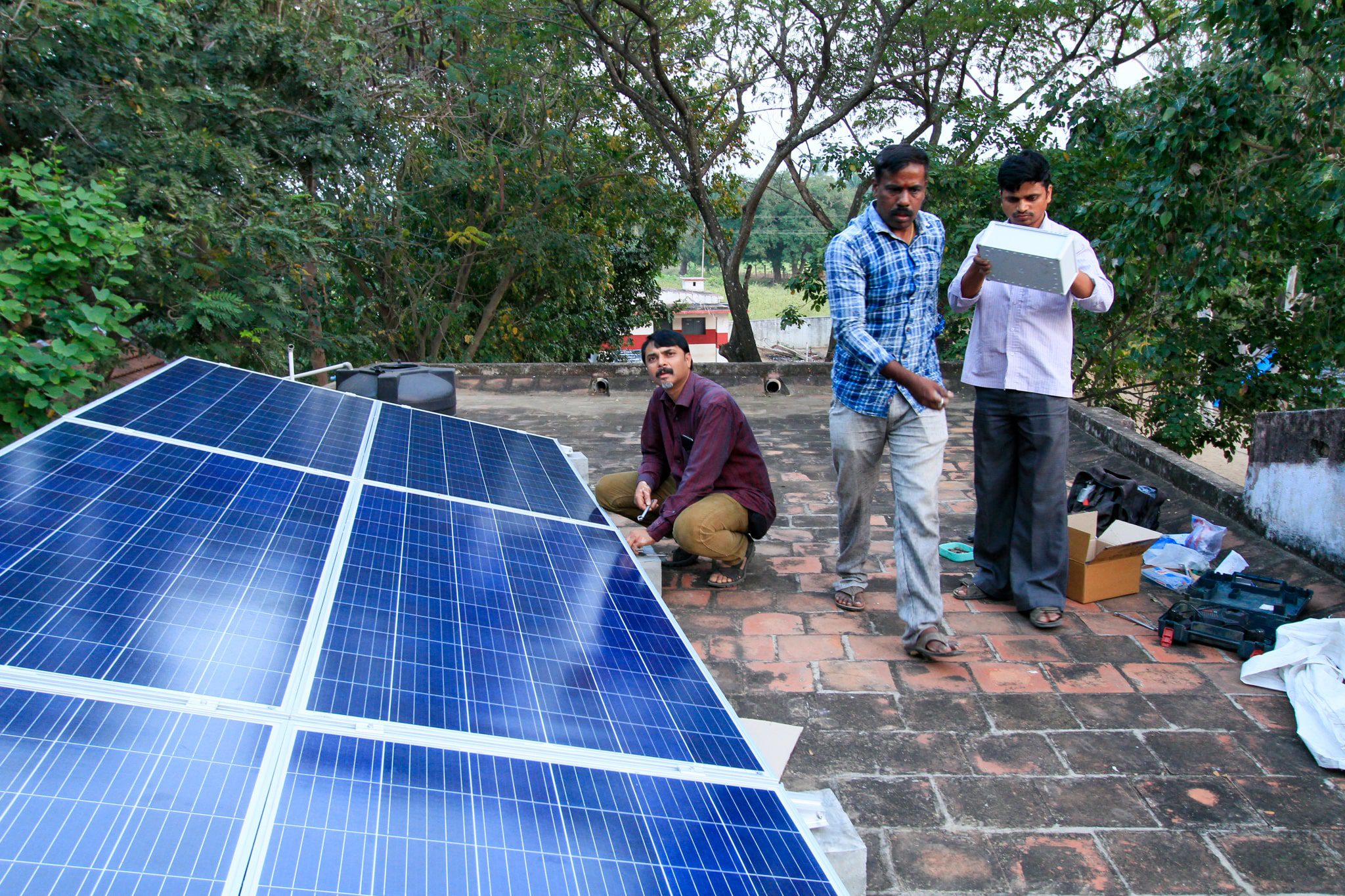
The project is part of the UK government-funded Transforming Energy Access (TEA) platform, which supports the technologies, business models and skills needed to create an inclusive clean energy transition.
TEA at SUNRISE aligns with the International Energy Agency (IEA) projection that 125 gigawatts of PV will be installed in Africa before 2030.
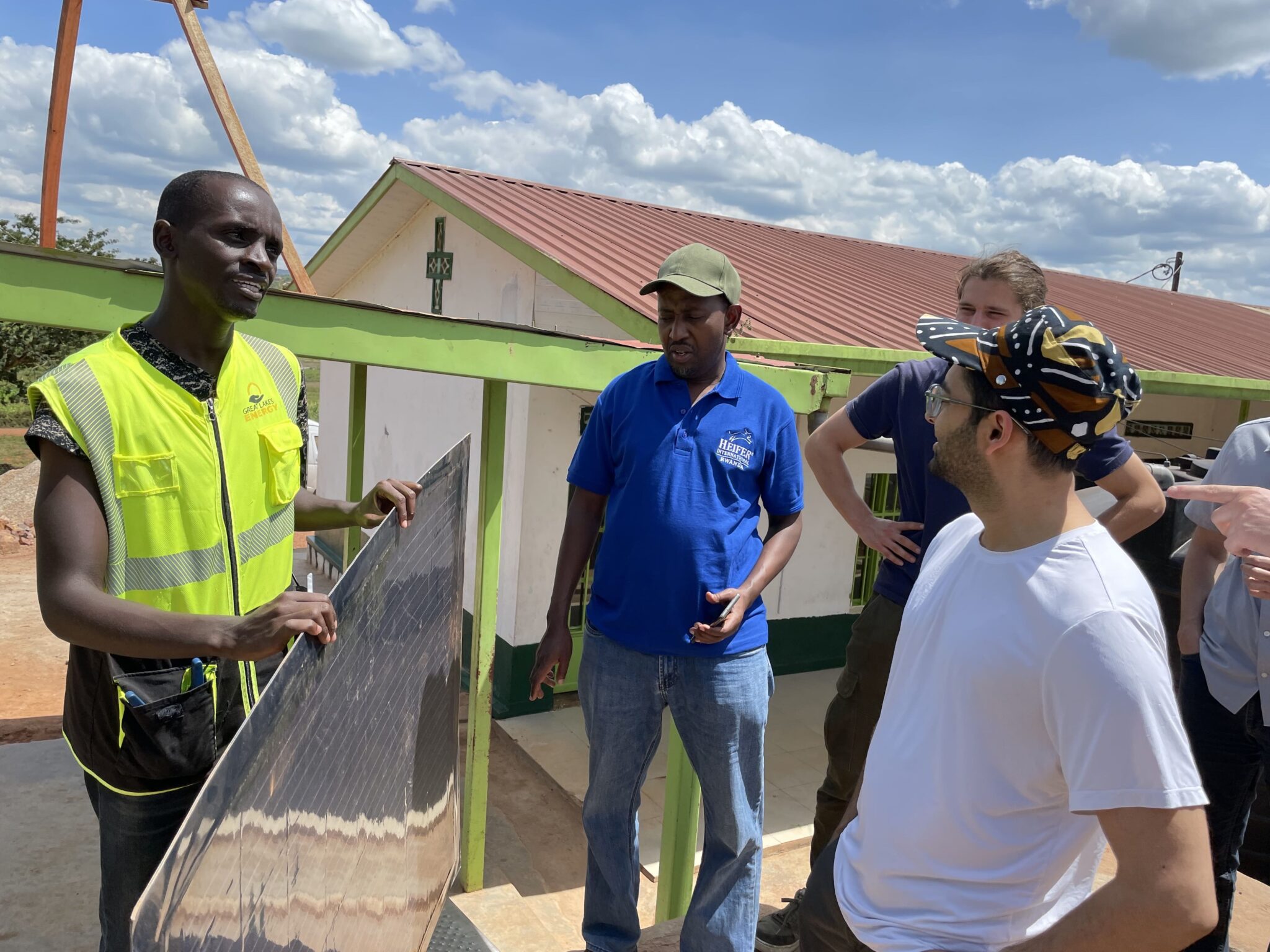
The project will build on the relationships established by SUNRISE, extending beyond Africa and India to identify the advantages of next-generation solar technologies across the Global South.
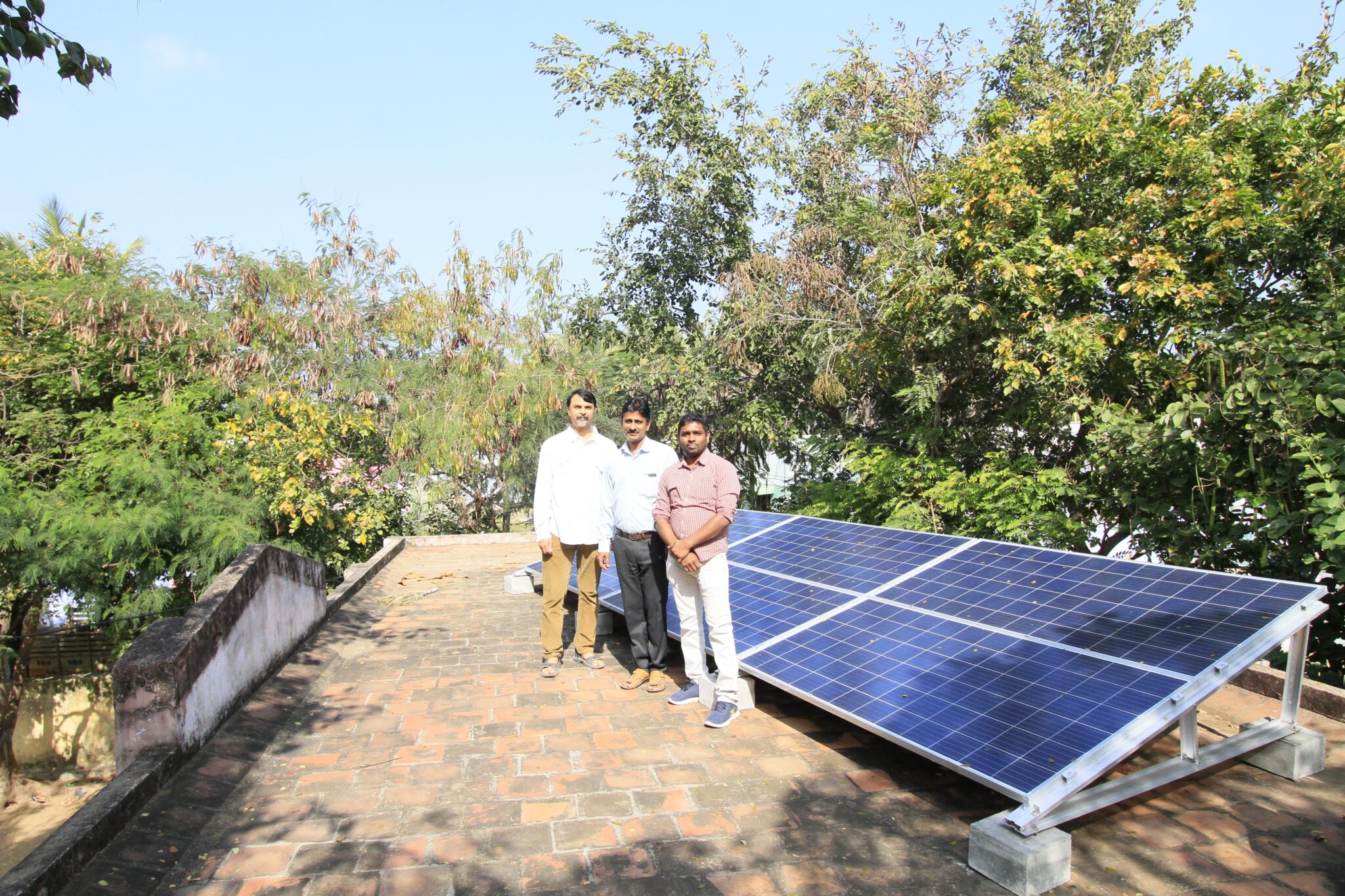
With abundant solar energy and large local markets, TEA at SUNRISE will explore the capability of countries in Africa, Asia and the Indo-Pacific to establish manufacturing hubs for efficient, low-cost PV modules.
Iain Meager, Director of Innovation at the Carbon Trust, said: “Collaboration is crucial to accelerating a just and inclusive clean energy transition. By joining forces with local stakeholders in Africa, Asia, and the Indo-Pacific, TEA at SUNRISE will bolster the knowledge exchange and learning necessary to accelerate the scale of sustainable photovoltaic manufacturing at a local level. This will not only help foster economic development but also reduce the environmental impact of PV production.”
While PV is one of the fastest-growing energy technologies worldwide, silicon PV, which currently dominates the market, has limitations.
The manufacturing process demands a substantial initial investment and extensive consumption of critical materials and energy. It also results in considerable waste when deployed at scale.
Moreover, silicon module manufacturing is not globally distributed and is associated with environmental, economic, and ethical issues tied to mining processes and the use of coal-generated electricity.
In response to these challenges, TEA at SUNRISE will place a strong emphasis on ensuring technologies are designed for a circular economy to limit waste and the use of critical materials.

Project lead Dr Mark Spratt, from the SPECIFIC Innovation and Knowledge Centre at Swansea University, said: “TEA at SUNRISE builds on the highly successful SUNRISE network, extending the development of next-generation photovoltaics into Africa, Asia and the Indo-Pacific. In pursuing a just energy transition, these new technologies can play a pivotal role in ensuring energy access is delivered equitably, free of the environmental and ethical issues associated with current PV manufacturing.”
This next generation of solar materials also offers a unique opportunity to design for ease of re-use and re-manufacture from the outset, with local manufacturing not only reducing logistics costs but also generating jobs and utilising lower-carbon sources of energy.
Help keep news FREE for our readers
Supporting your local community newspaper/online news outlet is crucial now more than ever. If you believe in independent journalism, then consider making a valuable contribution by making a one-time or monthly donation. We operate in rural areas where providing unbiased news can be challenging. Read More About Supporting The South Wales Chronicle