







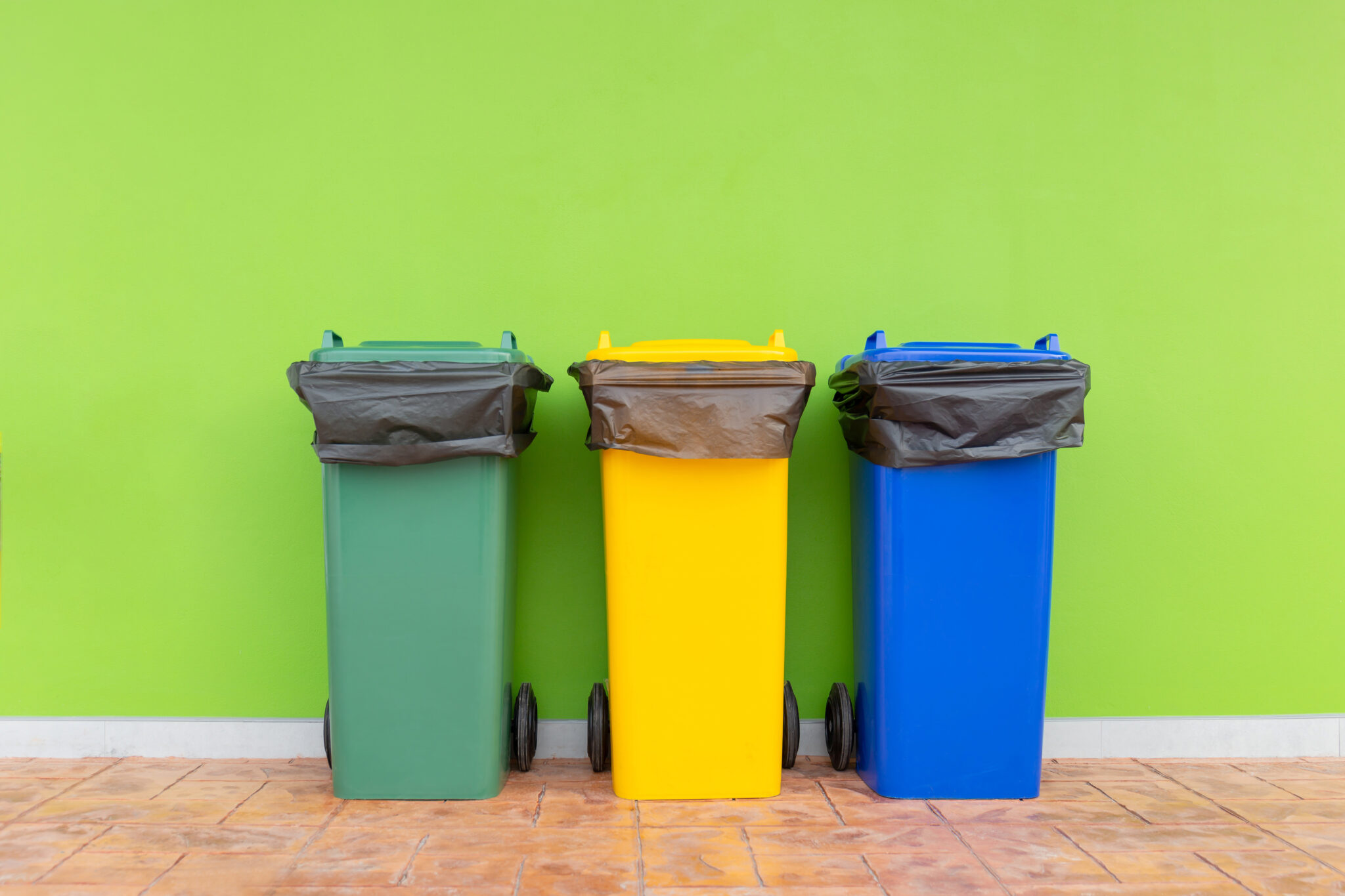

Find the bins and the bins’ colours, and sorting your rubbish will soon be as easy as child’s play!
Household waste, whether burnt, dumped, or spread in the countryside, is a significant pollution source. We all think of those open-air dumps and the increasing amount of rubbish that covers the seas and kills marine fauna and flora. But it is when our waste is neither managed nor sorted that it causes the most pollution.
However, a few simple gestures repeated by millions can have a real impact. You can also apply some basic principles in other parts of your daily life, such as using solar panels or natural remedies such as CBD, which is known for its many benefits (find out more here).
But how do you sort your rubbish at home?
The main problem with household rubbish is that it’s all mixed so that nothing can be recycled.
Start by sorting your rubbish by type.
- Glass: glass jars, bottles and containers:
Put them at the glass collection point or in the sorting bin dedicated to glass with the green colour code (an excellent memory aid!).
- Packaging and paper :
Only cardboard and thick plastic packaging can be recycled. Along with paper, this should be put in the yellow bins. You can also place cans, metal tins, food cartons (such as milk or fruit juice), cardboard packaging for biscuits and breakfast cereals, newspapers, magazines and plastic cosmetic bottles.
- The benchmark for recyclable plastic
A bottle of water, washing powder or shampoo can be recycled. Cling film and trays containing your meat/fish/cheese/fruit will not be recycled; they must be disposed of in the “common” waste bin (except in communes benefiting from the extension of sorting instructions).
- Food waste:
Peelings, eggshells, meal leftovers, stale bread, and wilted flowers can go into a compost bin. More and more communes are providing collection bins for compostable food waste. If there is no compost bin, put it in the standard household waste bin.
- The household bin:
Its purpose is to collect what cannot be recycled: dirty nappies, used tissues and paper towels, cotton buds and wipes, pens, toothbrushes, cling film, thin food trays, the plastic under-wrap of packets of biscuits, sachets (sweets, crisps, pet food, etc.).
What should you do with large items of waste?
Whether it’s the result of your work, gardening, oil changes, car batteries, old broken furniture, etc., only dispose of it at a waste collection centre or follow your local authority’s collection instructions.
In some towns, they are allocated a collection number and appointment, while in others, a fixed date per month is dedicated to them, the only date when you are authorised to drop them off at the bottom of your building or on the pavement. Please note that illegal dumping in town or the countryside is prohibited and punishable by fines. You can be fined between €68 and €450 if you are on foot, and up to €1,500 and confiscation of your vehicle if you have used your car to dump your waste illegally.
For electronic waste (hairdryers, computers, etc.), special collections are organised occasionally (often at weekends near a market), so check with your local council/region. They sort out appliances that are in working order and those that are not. Their parts will be recovered or recycled to produce new ones.
- Beware of chemical and hazardous waste
- Medicines should not be disposed of in your household rubbish bins. They should only be disposed of in pharmacies.
- Light bulbs, used batteries and ink cartridges can be disposed of in dedicated bins at the entrance to supermarkets and department stores.
- Telephones and computers can be dropped off at an Ecosystems terminal (at the entrance to DIY stores and supermarkets). Equipment that can be repaired will be recycled.
Last words
Look out for the bins and the colours of the bins, and sorting your rubbish will soon be as easy as child’s play! To help you, some apps let you geolocate and direct you to the best place to sort your waste!
If you also care about sustainability, eat local and buy quality products from the region, such as the best CDD products from JustBob.shop or vegetables from your local farm!
Help keep news FREE for our readers
Supporting your local community newspaper/online news outlet is crucial now more than ever. If you believe in independent journalism, then consider making a valuable contribution by making a one-time or monthly donation. We operate in rural areas where providing unbiased news can be challenging. Read More About Supporting The South Wales Chronicle